Best RV Heated Water Hoses of 2026
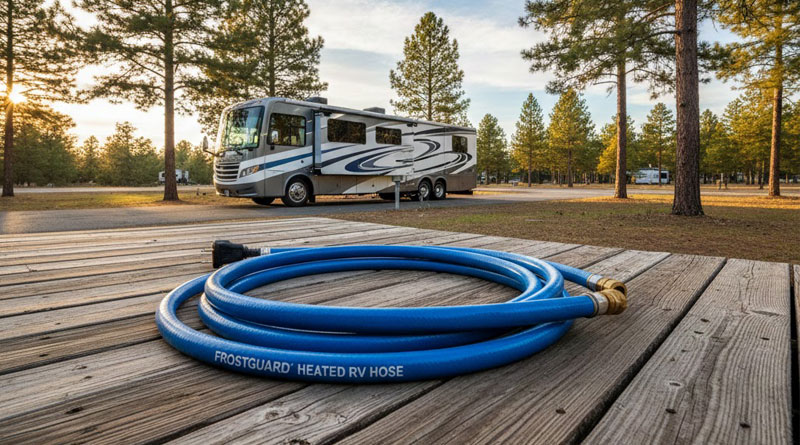
Venturing into colder climates with your RV offers breathtaking experiences, but it also brings the challenge of frozen water lines. A reliable RV heated water hose is an indispensable accessory, ensuring a continuous flow of water for drinking, cooking, and sanitation, even when temperatures plummet. Gone are the days of manually thawing pipes or worrying about burst lines; modern heated hoses provide intelligent freeze protection with energy-saving thermostats.
1. Camco 25-Ft Heated RV Water Hose 22911

- Freeze Protection: Down to -20°F (-28°C)
- Water Safety: NSF/ANSI 61 certified, lead, BPA, & phthalate-free
- Power Features: 120VAC, 18AWG, 6′ power cord with LED, thermostat-controlled
- Hose ID: 5/8″
The Camco 25-Ft Heated Water Hose is a cornerstone for RVers seeking reliable freeze protection for their water supply. Its construction with NSF/ANSI 61 certified materials ensures that your drinking water remains safe, free from lead, BPA, and phthalates. This hose provides robust freeze protection down to a formidable -20°F (-28°C). What truly sets it apart is the integrated energy-saving thermostat, which intelligently activates the heating cable only when necessary.
Beyond its impressive performance, the Camco heated hose boasts a patented design proudly manufactured in the USA. The 5/8″ ID ensures a strong and consistent water flow. An included adapter for connection to either end of the hose adds a layer of convenience during setup. This CSA lead-free certified product meets stringent federal and state lead-free laws. Its reliability and thoughtful design make it an excellent investment for comfortable winter adventures.
- Pros:
- Premium drinking water safe (NSF/ANSI 61, lead-free)
- Effective freeze protection down to -20°F
- Energy-saving thermostat control
- Cons:
- 25-ft length may not be sufficient for all setups
- -20°F limit might not cover extreme arctic conditions
2. RVGUARD 25FT Heated RV Water Hose

- Freeze Protection: Down to -20°F (-28°C)
- Thermostat Settings: On at ~47°F (8°C), Off at ~60°F (15°C)
- Heating Cable: UL listed, 7 watts/ft
- Construction: Five-layer durable, stainless steel connectors
The RVGUARD 25FT Heated Water Hose offers reliable freeze protection and peace of mind for RVers, homeowners, and gardeners facing cold weather. Its smart energy-saving thermostat is a standout feature, activating the heating cable at approximately 47°F (8°C) and turning off around 60°F (15°C), ensuring efficient operation and preventing unnecessary power consumption. With freeze protection down to -20°F (-28°C), it’s well-suited for a variety of chilly environments. The increased 7 watts/ft UL listed heating cable further enhances its efficiency and reliability in maintaining a consistent water flow.
Durability is a key aspect of the RVGUARD design, featuring a robust five-layer construction and stainless steel connectors that are engineered to prevent leaks and withstand the elements. The wear-resistant PVC jacket provides an extra layer of protection against damage, significantly extending the hose’s service life. Ease of use is also a strong point, with a 3/4 inch GHT adapter included for compatibility with all US water supplies. Its versatility extends to multiple scenarios, from RVs and homes to gardens and chicken coops.
- Pros:
- Smart energy-saving thermostat for efficient heating
- Lead and BPA-free for safe drinking water
- Durable five-layer construction with leak-proof connectors
- Cons:
- -20°F limit may not suffice for extremely harsh winter conditions
- Specific thermostat activation temperatures might not suit all preferences
3. Kohree 50FT Heavy Duty Heated RV Water Hose

- Freeze Protection: Down to -40°F
- Water Safety: Food-grade rubber, CA65 certified, BPA free
- Connectors: Pure aluminum with large rubber grip, leak-free
- Hose ID: 5/8″
The Kohree 50FT Heated Water Hose is an exceptional choice for those who venture into truly extreme cold, boasting efficient freeze protection down to an impressive -40°F. This heavy-duty hose utilizes a smart self-regulating internal thermostat, ensuring water flows smoothly even in sub-arctic temperatures, making it ideal for winter camping, truck use, or remote cabins. Beyond its freezing capabilities, Kohree prioritizes water safety by constructing the hose from food-grade rubber, certified CA65, and completely BPA-free. This means you can enjoy clean, odorless drinking water without concern for harmful chemicals leaching into your supply, a crucial factor for health-conscious RVers.
Durability and ease of use are evident in its design. Both the male and female ends feature pure aluminum connectors with large rubber grips. The quick-connect fittings further streamline the setup process. This versatile hose is designed for wide applications, from RVs and campers to chicken coops and homes, effectively eliminating water shortages in extreme cold. It also includes a male-to-male adapter for flexible connection options. It is important to note the recommendation to always use it with a GFCI-protected outlet for optimal safety and to prevent overheating, a wise practice for any electrical appliance used outdoors.
- Pros:
- Exceptional freeze protection down to -40°F
- Durable, leak-free pure aluminum connectors with rubber grips
- Certified food-grade and BPA-free for safe drinking water
- Cons:
- Requires use with a GFCI-protected outlet
- Pure aluminum fittings might be perceived as less robust than brass by some
4. VEVOR 30ft Heated Drinking Water Hose for RV

- Freeze Protection: Down to -45°F (-42.7℃)
- Heating: Built-in 0.6″ (14mm) element, low-energy, plug indicator
- Water Safety: Lead and BPA-free, drinking water safe
- Hose ID: 5/8″, supports up to 600 PSI
The VEVOR 30ft Heated Water Hose stands out for its impressive ability to maintain water flow in extremely low temperatures, offering antifreeze protection down to a staggering -45°F (-42.7℃). This makes it an ideal choice for the most challenging winter conditions. The hose features a built-in 0.6-inch (14 mm) heating element, meticulously wrapped within a smooth outer layer to minimize heat dispersion and accelerate the warming process. A convenient plug indicator light signals when heating is active. Furthermore, its design is energy-conscious, with power usage decreasing as the hose reaches its optimal temperature.
Beyond its superior freeze protection and efficient heating, VEVOR places a high emphasis on water safety. The inner RV winter water hose is crafted from drinking water-safe materials, completely free of lead and BPA. The 5/8″ ID ensures a smooth, high volume water flow and is designed with a kink-free structure to prevent blockages, supporting water pressures up to 600 PSI. Equipped with durable 3/4″ GHT aluminum connectors and including waterproof rubber rings and thread seal tape, it guarantees leak-proof connections. As a safety precaution, it’s essential to use this hose with a GFCI outlet to prevent overheating risks.
- Pros:
- Exceptional freeze protection down to -45°F
- Fast and low-energy heating with indicator light
- Certified lead and BPA-free for safe drinking water
- Cons:
- Requires GFCI outlet for optimal safety
- Aluminum connectors might be less durable than brass over time
5. HIRALIY 50FT Heated RV Water Hose with Temp Sensor

- Hose ID: 5/8″
The HIRALIY 50FT Heated Water Hose is a sophisticated solution for ensuring a continuous water supply in frigid conditions, offering robust freeze protection down to -40°F. Its standout feature is the smart temperature control system, which employs a high-sensitivity metal temperature sensor. This system intelligently activates heating only when the ambient temperature drops below 5°C (41°F) and deactivates when it rises above 10°C (50°F), with an impressive accuracy of ±2°C.
Beyond its intelligent heating, HIRALIY prioritizes durability and water safety. Unlike alternatives made from aluminum or zinc, this hose features leakproof brass fittings, which are highly resistant to rust and provide superior long-term reliability. A convenient dual male adapter (3/4″ GHT) is included for versatile connections. Crucially, the heated hose is made from drinking water-safe materials, completely free of lead and BPA, and designed to be odorless. Its 5/8″ ID supports high water flow, and its multi-scene application makes it a versatile tool for RVs, gardens, chicken coops, and mountain cabins, freeing countless families from water shortages in extreme cold.
- Pros:
- Smart temperature control for energy efficiency
- Durable, leakproof brass fittings for longevity
- Healthy drinking water safe (lead and BPA-free)
- Cons:
- Specific temperature activation points might not be universally preferred
- 50ft length can be challenging to manage and store for some users
6. RVMATE 35FT Heated RV Water Hose

- Freeze Protection: Down to -20°F (-28°C)
- Heating Cable: UL Listed, 7 watts/ft, with thermostat
- Water Safety: Lead/phthalate free, copper nickel plated connectors
- Construction: PVC outer material, new compression technology
The RVMATE 35FT Heated Water Hose provides a reliable solution for maintaining water flow in freezing temperatures, offering intelligent heating control that ensures protection down to -20°F (-28°C). This makes it highly suitable for a variety of multi-scenario applications, whether you’re RVing, gardening, or camping in colder climates, ensuring you never face water shortages due to ice. At its core is a UL Listed heating cable with a built-in thermostat, and its output power has been efficiently increased to 7 watts/ft, enhancing the product’s overall performance and adherence to high-quality standards. This robust heating system is designed for both effectiveness and safety.
RVMATE places a strong emphasis on water safety and durability. The hose is proudly lead and phthalate-free, guaranteeing no rubber taste or harmful chemicals in your drinking water. Its connectors, made from lead-free copper nickel-plated material, offer superior durability and safety compared to standard aluminum alternatives. The innovative new compression technology used for the hose head ensures a tighter connection, effectively preventing leaks.
- Pros:
- Effective freeze protection down to -20°F
- UL Listed heating cable for enhanced safety and efficiency
- Lead and phthalate-free with durable copper nickel-plated connectors
- Cons:
- -20°F limit may not be sufficient for extreme sub-zero conditions
- Requires GFCI receptacle for proper operation and safety
7. UTOOL 30 FT Heated RV Water Hose with 90° Elbow

- Antifreeze Protection: Down to -40°F, double-layer frost protection
- Water Safety: NSF 372 certified hose, C6400 lead-free brass connectors
- Material: Four-layer premium PVC, flexible
- Thermostat: Activates <41°F, deactivates >59°F
The UTOOL 30 FT Heated Water Hose offers robust antifreeze protection for RVers, ensuring a continuous water supply even in temperatures as low as -40°F. A unique feature is the extended heat tape (12 inches on each end) with included sleeves, providing double-layer frost protection for critical outdoor pipes, spigots, and RV inlets. This comprehensive approach to freeze prevention ensures that your entire water system remains functional during harsh winter conditions. Safety is a paramount concern for UTOOL, as evidenced by the hose being NSF 372 certified for drinking water and equipped with C6400 grade lead-free brass connectors, guaranteeing safe and healthy water consumption while on your adventures.
Designed with outdoor use in mind, this hose is crafted from a four-layer premium PVC material. The heat tape is securely bonded to the hose, and Velcro straps are included to facilitate easy bundling. The automatic temperature control system efficiently manages heating: the thermostat activates when temperatures drop below 41°F and deactivates above 59°F, optimizing energy usage. Its 3/4″ GHT thread ensures compatibility with most water outlets, and while the hose comes with a handy 90-degree elbow connector, other accessories like pressure reducers are available separately, allowing for customizable solutions to meet specific RV needs.
- Pros:
- Exceptional antifreeze protection down to -40°F with double-layer design
- NSF 372 certified and lead-free brass connectors for safe drinking water
- Flexible, durable four-layer PVC material with easy storage features
- Cons:
- Some accessories (e.g., pressure regulators) are sold separately
- Specific temperature activation ranges might not suit all climates or preferences
How to Choose RV Heated Water Hoses
For many RV enthusiasts, the allure of the open road extends beyond the warm summer months. Winter camping, whether for ski trips, holiday gatherings, or simply enjoying serene, snow-covered landscapes, offers a unique charm. However, with dropping temperatures comes the significant challenge of keeping your RV’s water system from freezing. A frozen water line is more than just an inconvenience; it can lead to burst pipes, costly repairs, and a complete disruption of your water supply for drinking, cooking, and sanitation.
This is where a heated RV water hose becomes an indispensable accessory. Investing in a high-quality heated hose ensures a continuous, reliable flow of water, allowing you to enjoy year-round travel without the constant worry of frozen lines. It eliminates the need for manual thawing, messy repairs, and the discomfort of living without running water, transforming a potential winter nightmare into a comfortable and worry-free adventure.
Key Factors to Consider When Buying a Heated RV Water Hose
Choosing the right heated water hose for your RV involves understanding several critical features and specifications. Not all hoses are created equal, and selecting one that matches your specific needs and travel habits is crucial for optimal performance and peace of mind.
1. Freeze Protection Rating
Perhaps the most vital factor, the freeze protection rating indicates the lowest temperature at which the hose can reliably prevent water from freezing. Ratings commonly range from -20°F (-28°C) to as low as -45°F (-42.7°C). It’s essential to choose a hose with a rating that exceeds the coldest temperatures you anticipate encountering. If you primarily camp in mild winter climates, a -20°F hose might suffice. However, for those venturing into sub-zero regions or high altitudes, a hose rated for -40°F or -45°F will provide the necessary assurance against freezing.
2. Hose Length and Diameter
Heated water hoses are available in various lengths, typically ranging from 15 feet to 100 feet. Common lengths include 25 feet, 35 feet, and 50 feet. It’s best to choose a length that is adequate for your typical setup but avoids excessive slack. Longer hoses mean more surface area to heat and potentially more energy consumption or heat loss, especially if the excess length is coiled. For diameter, most RV heated hoses feature a 5/8-inch inner diameter (ID), which is generally sufficient to ensure good water flow and pressure. While larger IDs exist, 5/8″ is standard and provides a good balance between flow and manageability.
3. Drinking Water Safety and Materials
Since this hose will be supplying your drinking water, its material composition is paramount. Look for hoses that are certified for drinking water safety. Key certifications to watch for include NSF/ANSI 61 and NSF/ANSI 372, which confirm the hose is lead-free. Additionally, ensure the hose is BPA-free and phthalate-free to prevent harmful chemicals from leaching into your water. The inner liner material, often food-grade rubber or a specialized PVC, should be specifically designed to maintain water purity, taste, and odor. Prioritizing these certifications guarantees a healthy and safe water supply for you and your family.
4. Thermostat Control and Energy Efficiency
Most modern heated RV water hoses feature an automatic thermostat, which is crucial for energy efficiency. This thermostat senses the ambient temperature and only activates the heating element when needed, typically when temperatures drop below a certain threshold (e.g., 40-47°F) and deactivates when they rise (e.g., 50-60°F). This intelligent operation prevents continuous heating, saving electricity. Check the wattage per foot of the heating cable; higher wattage can mean faster heating but also more power consumption. Many hoses also come with an LED indicator on the plug, which signals when the heating element is active. Always use a GFCI (Ground Fault Circuit Interrupter) protected outlet with your heated hose for safety, as recommended by manufacturers.
5. Durability and Construction Quality
An RV heated water hose will be exposed to harsh outdoor elements, including cold, sun, abrasion, and potential kinks. Look for a hose with a robust outer jacket, often made from wear-resistant PVC, designed to protect the internal heating element and water line. The quality of the connectors is also vital; solid brass, stainless steel, or high-grade aluminum fittings offer superior corrosion resistance and longevity compared to cheaper alternatives. Kink resistance is another desirable feature, as kinks can restrict water flow and potentially damage the heating element. Multi-layer construction adds to the overall durability and insulation of the hose.
6. Power Requirements and Cord Length
Heated water hoses typically operate on standard 120VAC power, making them compatible with most RV electrical hookups. Consider the length of the power cord provided with the hose, ensuring it’s sufficient to reach a power source without requiring an extension cord (which can introduce voltage drop and safety concerns). Also, be mindful of the amperage draw, especially if you’re boondocking or have a limited power supply, although modern thermostatically controlled hoses are generally designed to be energy-efficient.
7. Ease of Use and Installation
A good heated hose should be user-friendly. Look for features like flexibility in cold weather, which makes coiling and uncoiling easier. Easy-grip connectors, sometimes with rubber overmolds, facilitate secure connections without requiring excessive force. The inclusion of adapters, such as a 90-degree elbow connector for tight RV inlets or a dual male adapter for versatile hookups, can significantly enhance convenience. An LED indicator light on the plug, signaling active heating, is also a useful visual aid during installation and operation.
8. Certifications and Warranty
Beyond drinking water certifications, check for safety certifications like UL Listed or CSA certified, which indicate that the product has met recognized safety standards. A manufacturer’s warranty is also an important consideration, providing protection against defects and offering peace of mind regarding your investment. Reputable brands typically offer a one-year warranty or more, demonstrating confidence in their product’s quality and durability.
Installation and Maintenance Tips for Your Heated Water Hose
Once you’ve chosen the best heated water hose, proper installation and maintenance are key to maximizing its performance and lifespan. Always connect the hose to a GFCI-protected electrical outlet to prevent electrical hazards. Ensure the hose is laid out without any kinks or sharp bends, as these can impede water flow and potentially damage the internal heating element. If any connections are exposed to the elements, consider adding extra insulation or heat tape to those specific points for enhanced freeze protection. When the season ends, thoroughly drain the hose of all water and store it in a clean, dry place, away from direct sunlight and extreme temperatures. Regularly inspect the hose for any signs of wear, cuts, or damage to the outer jacket or electrical plug, addressing any issues promptly to maintain safety and functionality.
Common Misconceptions About Heated Water Hoses
There are a few common misunderstandings about heated water hoses that might deter RVers from using them. One is the belief that “they use too much power.” While older models or non-thermostatic hoses might consume more energy, modern hoses with intelligent thermostats only heat when necessary, making them surprisingly energy-efficient. Another misconception is that “any hose will do in mild cold.” This is risky; even mild freezing temperatures can cause significant damage to unheated hoses and RV plumbing. Finally, some think “they’re only for extreme winter.” In reality, heated hoses are invaluable even in shoulder seasons (fall and spring) when nighttime temperatures can unexpectedly drop below freezing, providing reliable water access without constant vigilance.
Conclusion
A heated RV water hose is far more than a luxury; it’s an essential tool for any RVer planning to extend their adventures into colder months. By carefully considering factors such as freeze protection rating, drinking water safety, energy efficiency, and durability, you can select a hose that perfectly meets your needs. With the right heated water hose, you can bid farewell to the worries of frozen pipes and enjoy the comfort and convenience of a continuous, safe water supply, making your winter RVing experiences truly unforgettable. Embrace the cold with confidence, knowing your water system is protected.